- Collegiate Elites Newsletter
- Posts
- ⛔️ Game Day Fuel: What to Avoid
⛔️ Game Day Fuel: What to Avoid
Common fueling mistakes to skip before game day so athletes can show up energized and ready to compete.
📰 COLLEGIATE ELITES WEEKLY
Issue 027 — December 16, 2025
You can train all week and still feel off on game day.
Heavy legs.
Low energy.
An uneasy stomach during warm-ups.
The issue is not always effort or preparation. It’s fueling.
Game day nutrition does not fail because athletes do not eat enough “healthy foods.”
It fails because they eat the wrong things at the wrong time.
If you want to compete at your best, start by eliminating these common mistakes.
🍽️ WHAT NOT TO DO
Fuel should never be the reason an athlete feels heavy, sluggish, or not ready to compete.
Game day is about execution.
Nutrition should support performance, not compete with it.
🍔 MISTAKE 1: HEAVY, HIGH FAT MEALS
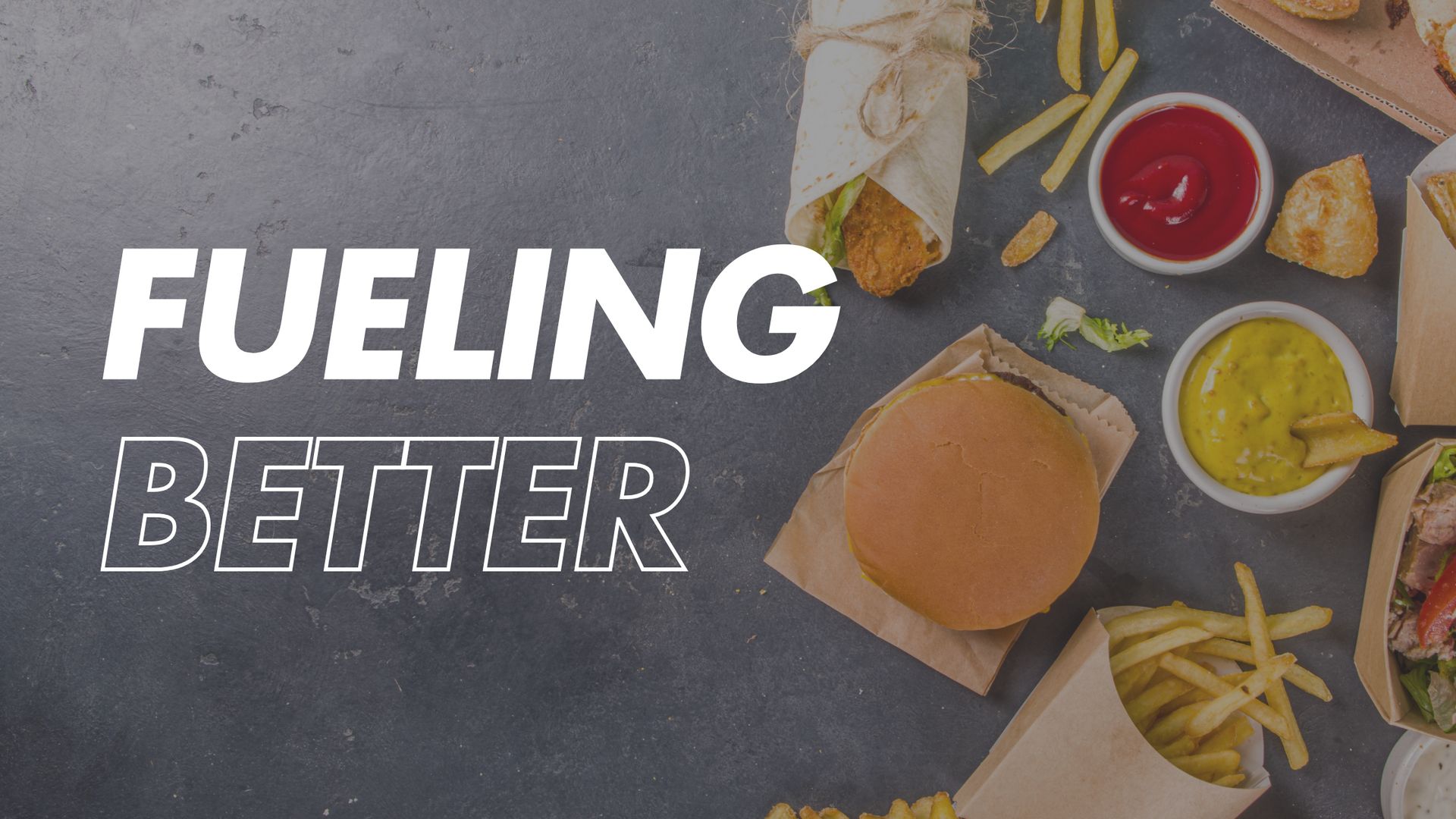
This is one of the more common issues we see. Food that is quick and convenient on the way to a game or tournament is often the same food that works against performance.
Avoid:
Fast food
Fried foods
Greasy breakfast sandwiches
Large portions of cheese or creamy sauces
Why it matters:
Fat digests slowly. On game day, that often leads to sluggishness, cramping, or nausea when intensity ramps up. Best to stick with what works and keeps you feeling ready to perform.
🍣 MISTAKE 2: TRYING SOMETHING NEW
New does not mean better on game day. Athletes train with consistency so they know exactly how their body will respond, and game day fueling should follow that same approach.
Avoid:
Foods you don’t normally eat
Last-minute snack changes
Large portions of foods your body is not used to
Why it matters:
Game day is not the time to experiment. Even good foods can cause problems if your body is not used to them.
🌯 MISTAKE 3: EATING TOO MUCH, TOO CLOSE TO COMPETITION
More food does not equal more energy. Eating too much too close to game time can leave athletes feeling weighed down, sluggish, and off their game.
Avoid:
Large meals within 1 to 2 hours of game time
Forcing food because “you should eat”
Why it matters:
Digestion pulls energy away from performance. Athletes often feel heavy or slow when meal timing is off.
🍭 MISTAKE 4: SUGAR SPIKES
Quick energy is tempting but it rarely lasts.
Avoid:
Candy
Sweet pastries
Energy drinks
Why it matters:
Sugar spikes are often followed by crashes, especially during longer matches or tournaments. On game day and throughout long tournaments, focus on steady energy sources rather than quick, sugary boosts.
🚱 MISTAKE 5: IGNORING HYDRATION
Hydration is not a last-minute task. Athletes perform best when their bodies are consistently hydrated, so water intake should be a focus not just on game day, but throughout the entire week leading up to competition.
Avoid:
Trying to “catch up” right before competition
Relying only on a few sips during warm-ups or the day of competition
Why it matters:
Drinking enough water consistently all week helps prevent fatigue, cramping, and can help boost endurance. Start early, drink often, and maintain it all week so you show up ready to compete.
🎯 FINAL THOUGHT
If you want to improve game day performance, start by removing friction.
Avoid foods that slow digestion.
Avoid last-minute changes.
Avoid rushing meals or hydration.
Eliminate these mistakes and performance often improves.
Fuel Elite.
✅ TAKE ACTION
📍 In Seattle?
Come train with us in person at the Collegiate Elites weight room.
Get hands-on coaching, structured training, and the same environment our college athletes trust to stay sharp. 👉
🧠 For Parents, help athletes avoid problems by:
-Encouraging earlier meals
-Packing familiar foods
-Removing pressure to eat large amounts
-Prioritizing hydration throughout the day
Confidence comes from routine. Fuel how you want to preform.
🌐 Not local?
Train with a former college athlete — online or in your area. 👉